Introduction to Competitive Gaming Optimization
In competitive gaming, every millisecond counts. Professional esports players understand that input lag can be the difference between victory and defeat. DS4Windows offers powerful optimization tools that can give you the competitive edge you need to perform at your best.
Understanding Input Lag
Input lag is the delay between when you press a button or move a stick and when that action is registered in the game. This delay consists of several components:
- Controller Processing: Time for the controller to process input
- Wireless Transmission: Bluetooth latency (if using wireless)
- DS4Windows Processing: Software processing time
- Game Engine: Game's input processing time
- Display Latency: Monitor/TV response time
Essential Performance Settings
Configure these critical settings for optimal competitive performance:
Exclusive Mode Configuration
Exclusive Mode Benefits
- Direct Input Access: Bypasses Windows input processing
- Reduced Latency: Eliminates system-level delays
- Higher Priority: Controller gets system priority
- Consistent Performance: Stable input timing
Polling Rate Optimization
The polling rate determines how often DS4Windows checks for controller input:
- 1000Hz (1ms): Maximum responsiveness for competitive gaming
- 500Hz (2ms): Good balance of performance and stability
- 250Hz (4ms): Standard rate, suitable for casual gaming
- 125Hz (8ms): Minimum rate, not recommended for competitive play
Connection Optimization
Choose the right connection method for your competitive setup:
USB Connection (Recommended)
- Lowest Latency: Direct connection eliminates wireless delays
- Stable Connection: No interference or disconnection issues
- Consistent Power: No battery drain concerns
- Higher Polling Rates: Supports maximum polling rates
Bluetooth Optimization
If you must use Bluetooth, optimize it for competitive play:
- Update Drivers: Use latest Bluetooth drivers
- Disable Power Management: Prevent connection drops
- Reduce Interference: Keep other devices away
- Use Quality Adapter: Invest in a good Bluetooth adapter
Controller Calibration
Proper calibration ensures accurate input recognition:
Analog Stick Calibration
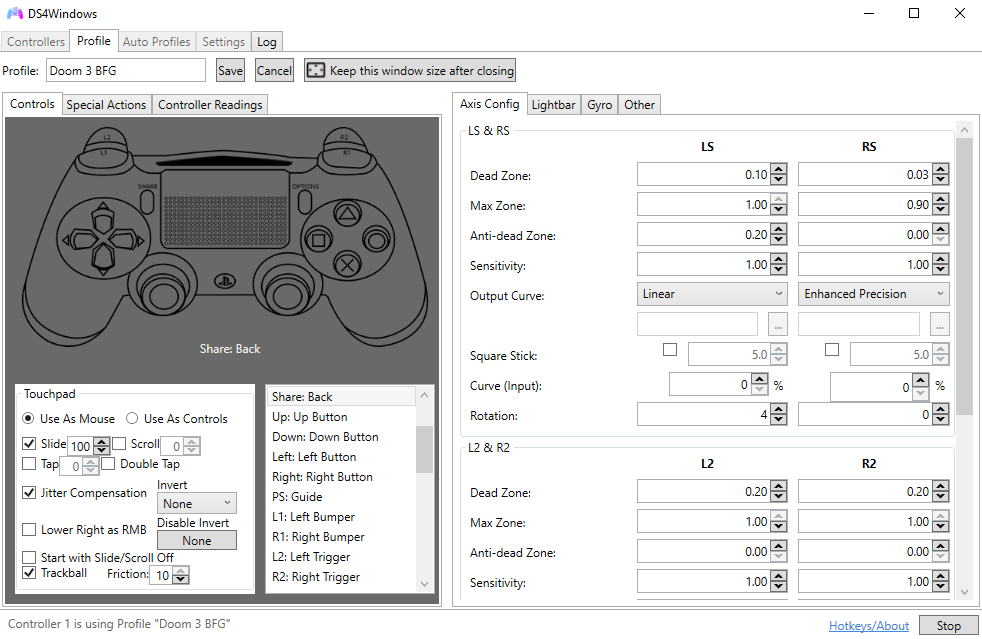
- Dead Zone: Set to minimum (0-5%) for maximum precision
- Anti-Dead Zone: Compensate for stick wear
- Sensitivity: Adjust for your play style
- Response Curve: Linear for consistent input
Trigger Calibration
- Hair Trigger: Enable for fastest response
- Trigger Sensitivity: Set to maximum
- Analog Range: Full range for precise control
System-Level Optimizations
Optimize your Windows system for gaming performance:
Windows Settings
- Game Mode: Enable Windows Game Mode
- High Performance: Set power plan to High Performance
- Background Apps: Disable unnecessary background applications
- Windows Updates: Schedule updates outside gaming hours
DS4Windows Priority
- High Priority: Set DS4Windows to high process priority
- CPU Affinity: Assign to high-performance cores
- Memory Management: Ensure adequate RAM allocation
Game-Specific Optimizations
Different games require different optimization strategies:
First-Person Shooters (FPS)
FPS Optimization Settings
- Polling Rate: 1000Hz for maximum responsiveness
- Dead Zones: Minimal for precise aiming
- Response Curve: Linear for consistent aim
- Trigger Response: Hair trigger for quick shooting
- Rumble: Disabled to avoid distraction
Fighting Games
Fighting Game Settings
- D-Pad Sensitivity: Maximum for precise inputs
- Button Response: Instant for combo execution
- Macro Support: Enable for complex moves
- Input Buffering: Optimize for frame-perfect inputs
Racing Games
Racing Game Settings
- Trigger Curves: Gradual for smooth acceleration
- Steering Sensitivity: High for quick turns
- Rumble: Enhanced for road feedback
- Analog Precision: Maximum for fine control
Advanced Performance Monitoring
Monitor your controller's performance in real-time:
DS4Windows Monitoring Tools
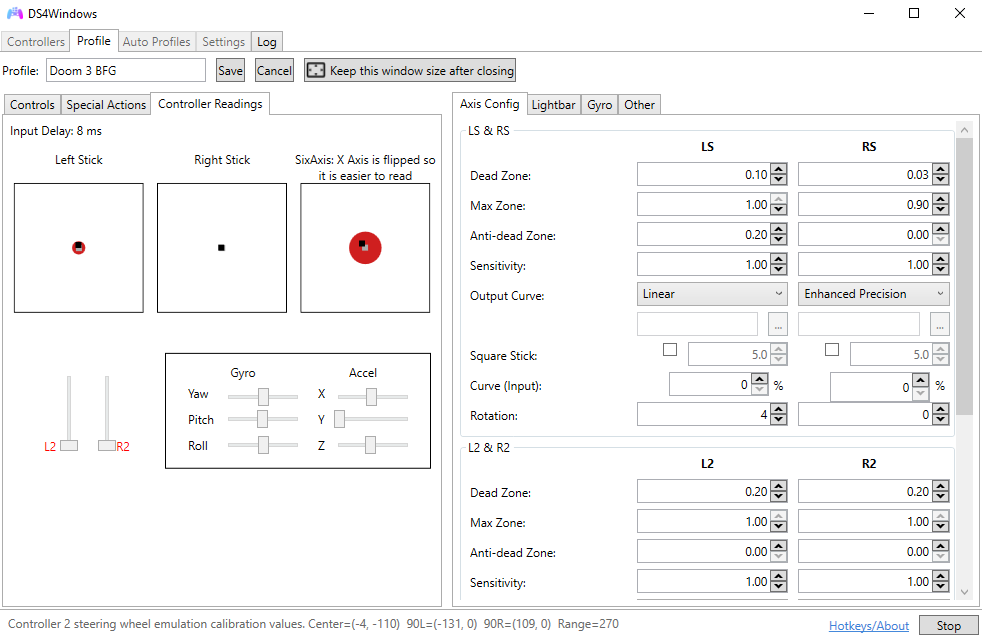
- Input Latency: Monitor input delay in real-time
- Polling Rate: Verify actual polling frequency
- Connection Quality: Check signal strength and stability
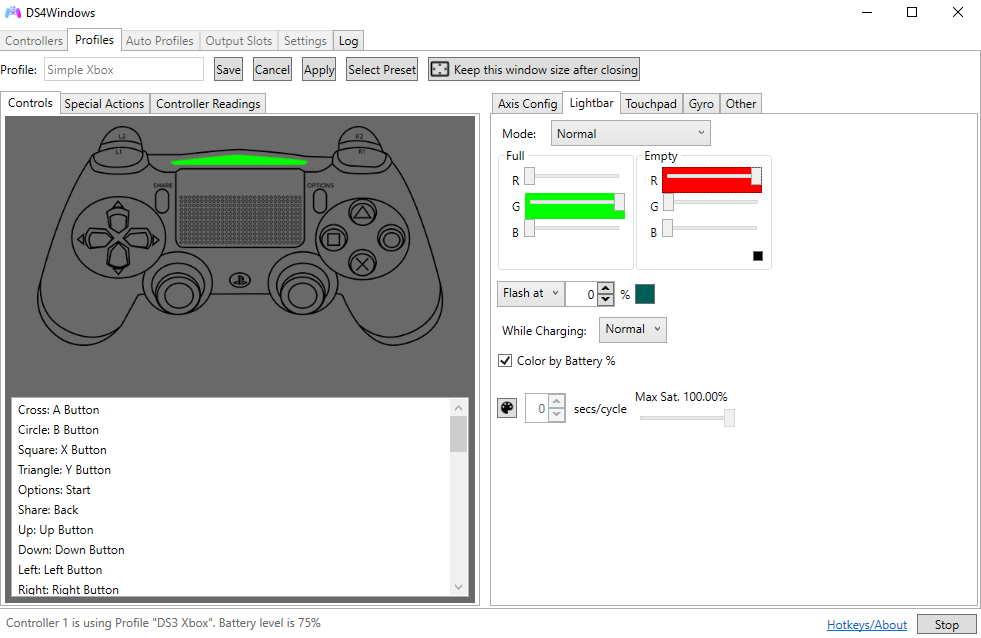
- Battery Status: Monitor power levels during play
Third-Party Tools
- LatencyMon: System-wide latency monitoring
- MSI Afterburner: System performance monitoring
- Process Monitor: DS4Windows process analysis
Competitive Gaming Best Practices
Follow these professional tips for optimal performance:
Pre-Game Setup
- Controller Check: Test all buttons and sticks before matches
- Connection Test: Verify stable connection
- Settings Verification: Confirm optimal configuration
- System Cleanup: Close unnecessary applications
During Competition
- Consistent Grip: Maintain consistent controller hold
- Regular Breaks: Prevent hand fatigue
- Monitor Performance: Watch for input lag spikes
- Backup Plan: Have alternative settings ready
Troubleshooting Performance Issues
Common performance problems and solutions:
Input Lag Spikes
- Check for background processes consuming CPU
- Verify exclusive mode is enabled
- Test with USB connection
- Update DS4Windows to latest version
Inconsistent Performance
- Disable Windows power management
- Set DS4Windows to high priority
- Check for driver conflicts
- Monitor system temperature
Professional Gaming Tips
- Practice with Settings: Use the same settings in practice and competition
- Document Configurations: Keep records of optimal settings
- Regular Updates: Keep DS4Windows and drivers updated
- Hardware Maintenance: Keep controller clean and in good condition
- Network Optimization: Optimize internet connection for online play
Conclusion
Optimizing DS4Windows for competitive gaming requires attention to detail and systematic configuration. By following these professional techniques, you can achieve the lowest possible input lag and most consistent performance.
Remember that optimization is an ongoing process. Regularly test and adjust your settings to maintain peak performance as your skills and hardware evolve.